
How the Music City Loop Could Unlock a New Era of Affordable, Transit-Connected Housing in Nashville
Nashville’s proposed Music City Loop is stirring new conversations about how the city could make living farther from downtown more affordable without sacrificing access to jobs, the airport, or major destinations. If paired with mid-rise residential development along key corridors, the Loop could open the door to a dramatic increase in housing supply—providing one of the most meaningful opportunities in years to address Nashville’s rising housing costs, all thanks to The Boring Company’s investment in the Nashville community. [Read more ➝]
By the LOOP Nashville Editorial Staff
12/5/20253 min read
A New Model for Housing and Mobility
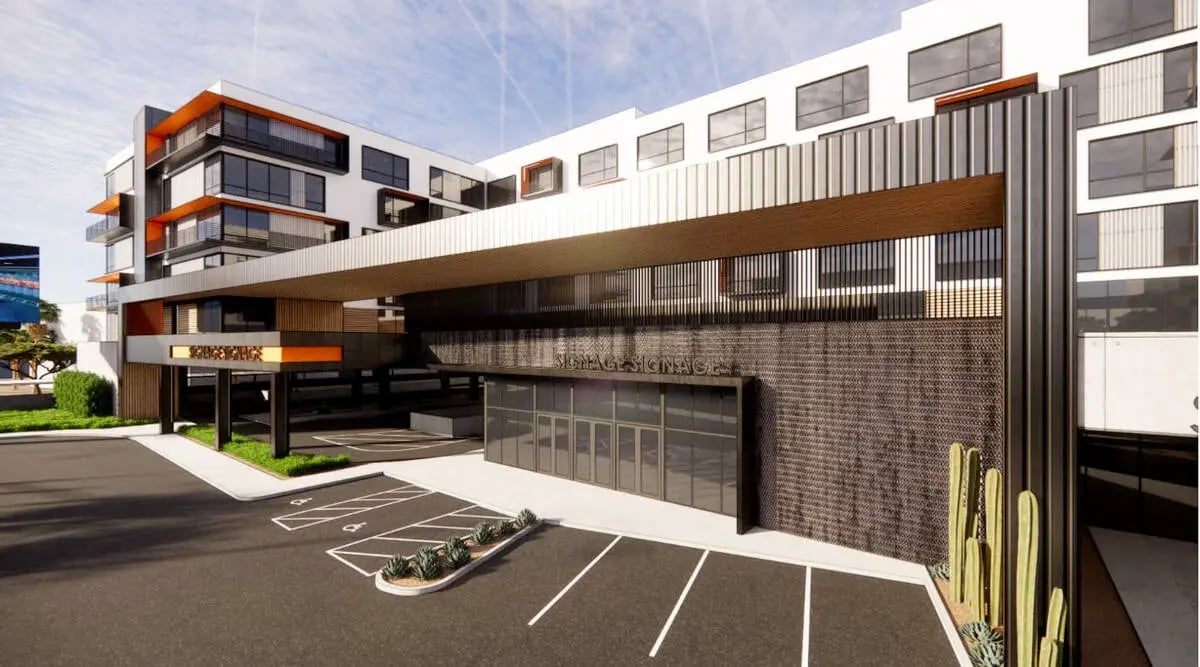
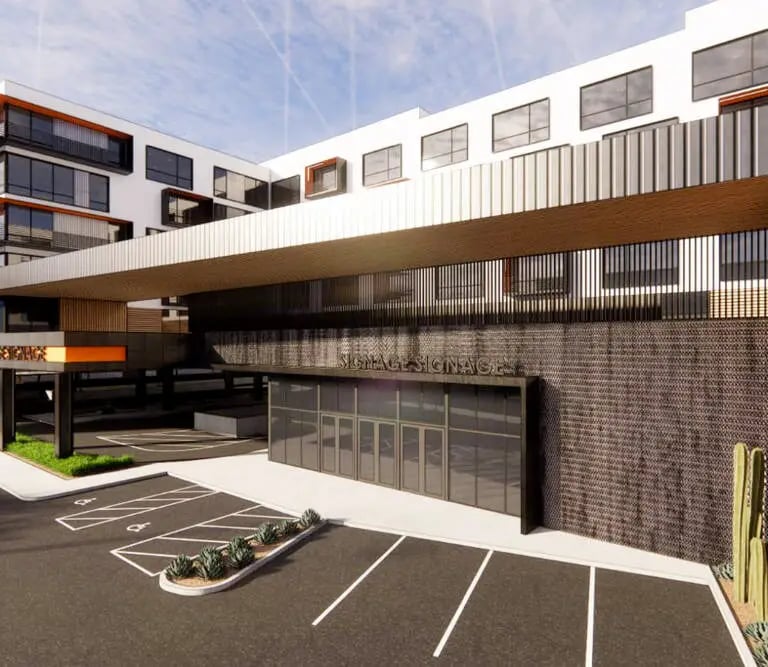
Nashville continues to search for long-term solutions to rising housing costs and transportation challenges. The example emerging in Las Vegas offers a compelling framework for how the Music City Loop could help achieve both. In Nevada, The Boring Company has advanced plans for a 132-unit apartment building built directly on top of a Vegas Loop station, demonstrating a new type of transit-oriented living. The project dramatically reduces parking requirements and instead prioritizes quick, convenient underground mobility. This approach shows how private investment in modern transportation systems can reshape local housing markets and expand access to more affordable homes.
Unlocking Underutilized Corridors in Nashville
Potential Music City Loop corridors such as Murfreesboro Pike—and possibly Ellington Parkway if the system crosses near the East Bank—contain large stretches of industrial, commercial, and low-density property that are not attaining their highest and best uses. These corridors represent some of Nashville’s most promising areas for redevelopment. With direct Loop integration, sites that have sat unchanged for decades could transform into mid-rise residential communities with reliable, high-capacity transit at their doorstep. Because Loop travel operates underground, new residents would not add pressure to existing roadways, allowing density to grow responsibly and sustainably.
A Pathway to Real Affordability
Expanding the supply of housing is one of the most effective ways to make cities more affordable. When paired with transit, this strategy becomes even more powerful. Nashville’s rapid population growth has strained the housing market, particularly near downtown where demand is highest. The Music City Loop offers an opportunity to pair transportation investment with significant new housing construction along major corridors. By reducing parking requirements and offering seamless rapid travel through the city, developers can build more units at lower cost, ultimately broadening access to affordable homes for families, students, and workers. The Boring Company’s investment positions Nashville to take advantage of this moment and build communities that serve residents across income levels.
Reducing Household Costs Through Transit-Connected Living
The Las Vegas development model shows how transit-first buildings can reduce overall household expenses. With a Loop station inside the building, residents can move across the city without relying on personal vehicles. If Nashville adopted a similar approach, Loop-connected housing could make it practical for families to share one car and allow individuals to live car-free. Rapid travel from satellite cities within Davidson County to downtown, the airport, major job centers, and university hubs would significantly expand where residents can afford to live. This added flexibility reduces the cost burden associated with long commutes and vehicle ownership, making Nashville a more accessible place for people at all income levels.
Revitalizing Local Business and Community Corridors
Transit-oriented housing brings more than transportation benefits. It also fuels economic development and corridor revitalization. As more residents choose to live along Loop-served routes, nearby shops, restaurants, and service providers gain consistent foot traffic. Aging commercial areas along Murfreesboro Pike and Ellington Parkway could transform into walkable, active neighborhoods anchored by mid-rise housing and day-to-day amenities. These changes not only strengthen local businesses but also create vibrant community spaces where residents can live, work, and socialize more easily.
Planning for a Thoughtful Rollout
While the Las Vegas model demonstrates promise, it also shows that major projects require clear coordination. Nevada officials attached construction and occupancy requirements to ensure that the on-site Loop station opens alongside the residential building. Nashville may consider similar measures as planning advances. Even so, the example from Las Vegas highlights the practicality of transit-oriented housing when public partners and private investors work toward a shared vision of modern mobility and community-focused development.
A Transformational Opportunity for Nashville’s Future
The Music City Loop represents far more than a mobility project. It offers a once-in-a-generation opportunity to rethink how Nashville grows and how residents experience daily life. By aligning Loop infrastructure with new housing development, Nashville could unlock thousands of new homes, reduce household transportation costs, and revitalize key corridors across the county—thanks to The Boring Company’s investment in the Nashville community. With thoughtful planning and strong civic partnerships, the city can emerge as a national leader in affordable, transit-connected urban living.
Disclaimer
LOOP Nashville aggregates publicly available news, commentary, and editorial content related to the Music City LOOP project. All source material is fully credited and attributed to its original publishers. All commentary and editorial opinions are solely those of the LOOP Nashville Editorial Staff. We are an independent site and are not affiliated with The Boring Company or the Music City LOOP project.
CONTACT
Follow
scoop@loopnashville.com
© 2025. All rights reserved.