Council Members Seek More Information
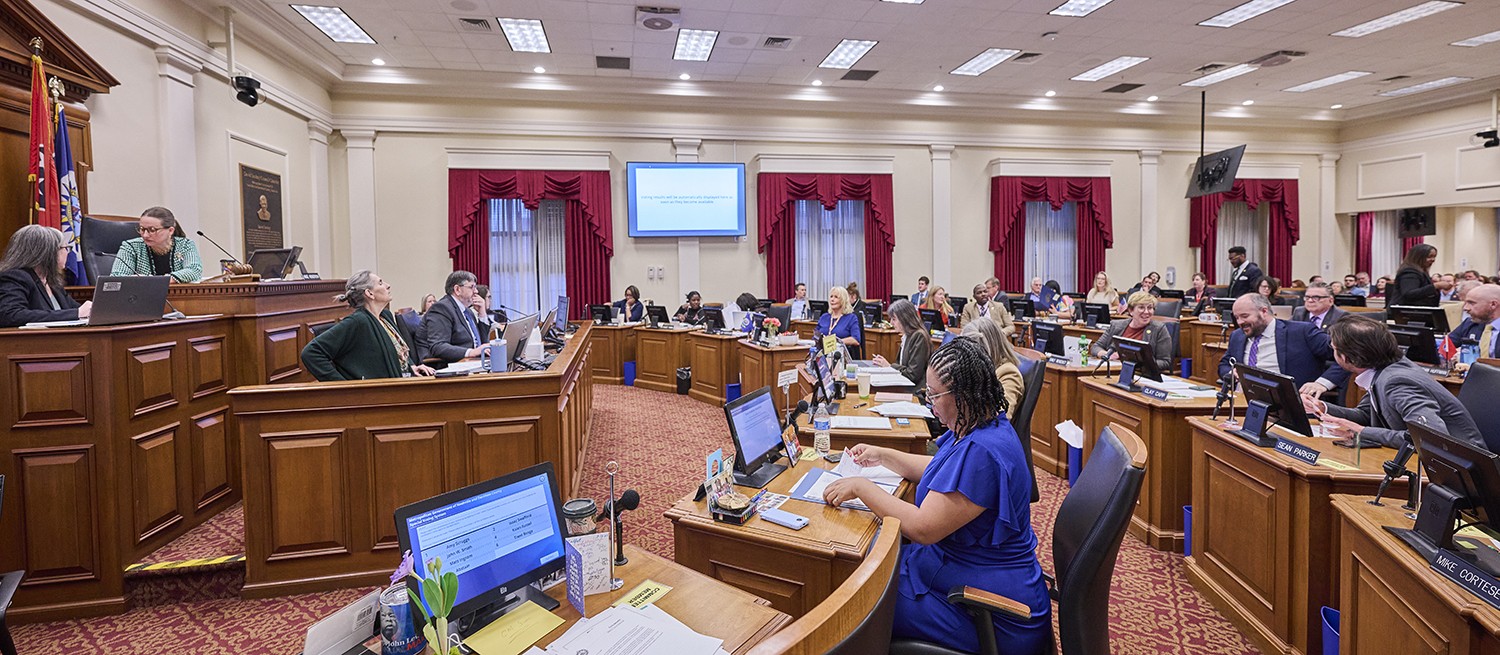
Some Metro Council members have criticized their limited role in discussions between the State of Tennessee and The Boring Company. At-Large Councilmember Delishia Porterfield said local lawmakers were being “cut out” of a project that could affect their constituents.
State officials have advanced the initial project through state property and rights-of-way, while the proposed airport connection also requires agreement with the Metropolitan Nashville Airport Authority.
Authority Depends on the Work Involved
State ownership gives Tennessee significant control over the initial alignment, but it does not make every project issue exclusively a state matter. Permits, utility conflicts, emergency response, surface access and any future use of Metro-controlled property can involve other agencies.
The exact division of responsibilities depends on the final route, station locations, leases, permits and operating agreements.
Private Funding and Public Oversight
The Boring Company and state officials describe the system as privately funded. That means the company is expected to finance construction, but it does not eliminate public responsibilities for safety review, inspections, right-of-way management or emergency planning.
Claims about future local tax revenue or ownership of abandoned improvements depend on contract terms, tax treatment and what is actually built. Publicly available information does not establish a guaranteed financial return to Metro.
Questions Still Open
The project must still demonstrate that it can complete permitting, sustain construction, reach station agreements and operate safely at the proposed scale. The Boring Company’s record includes both an operating Las Vegas system and proposals in other cities that did not advance.
Metro’s questions therefore concern more than the pace of approval. They also involve accountability, access to project information and how the tunnel would connect with Nashville’s broader transportation plans.
What Happens Next
Continued coordination will be needed among the state, Metro departments, airport officials, utilities, emergency responders and property owners. The public record should make clear which entity is responsible for each approval and operating obligation.
Update: Later approvals clarified part of the state role
Tennessee announced in February 2026 that TDOT and the Federal Highway Administration had approved a lease application and enhanced grading permit for the company’s use of state property and right-of-way. That announcement showed how the initial construction authorization could move through state and federal channels without a Metro Council vote.
The airport portion followed a different institutional path. The Metropolitan Nashville Airport Authority announced its own agreement framework with The Boring Company, illustrating that authority changes with the property and facility involved. Future stations or construction sites on privately owned or Metro-controlled land may require still other agreements.
Questions local officials can still examine
Even where Metro does not control the tunnel right-of-way, local agencies may need to coordinate street access, utilities, fire response, policing, building interfaces and special events. The public interest is served by identifying which agency owns each responsibility and how costs will be allocated before operations begin.
Disclosure is especially important when authority is divided. A state permit may establish permission to build within state property, while an airport agreement may govern terminal access and fees. Neither document necessarily answers every question about accessibility, emergency exercises, traffic circulation or neighborhood construction effects.
A practical oversight checklist
Useful records include signed leases and licenses, permit conditions, station and entrance plans, utility agreements, emergency-response protocols, inspection responsibilities and any commitments for surface restoration. Public meeting agendas and agency contact information also help residents direct questions to the body with actual decision-making power.
The central issue is not whether one government has complete control; it is whether the combined state, federal, airport and local process leaves clear accountability for every part of the system.
SOURCES
- Nashville government meetings and public records · Metropolitan Government of Nashville and Davidson County
- State and federal approvals announced for Music City Loop right-of-way · Office of Tennessee Gov. Bill Lee
- Airport authority announces agreement framework with The Boring Company · Metropolitan Nashville Airport Authority