The Music City Loop project has reached a series of major milestones as The Boring Company (TBC) releases its second official construction update. The December blog post details advances in construction, design, environmental review, and public engagement since the October 1 update, reflecting how the project is transitioning from preparation to near-term tunneling.
The update follows a 1 hour and 40 minute live X Spaces conversation hosted on November 24, during which TBC leaders offered an extended briefing on the system’s progress and answered questions from Nashville residents. Together, the blog and the public forum provide the most comprehensive view to date of what is happening beneath the Capitol Hill work zone and along the future tunnel alignment.
Construction Progress and TBM Installation
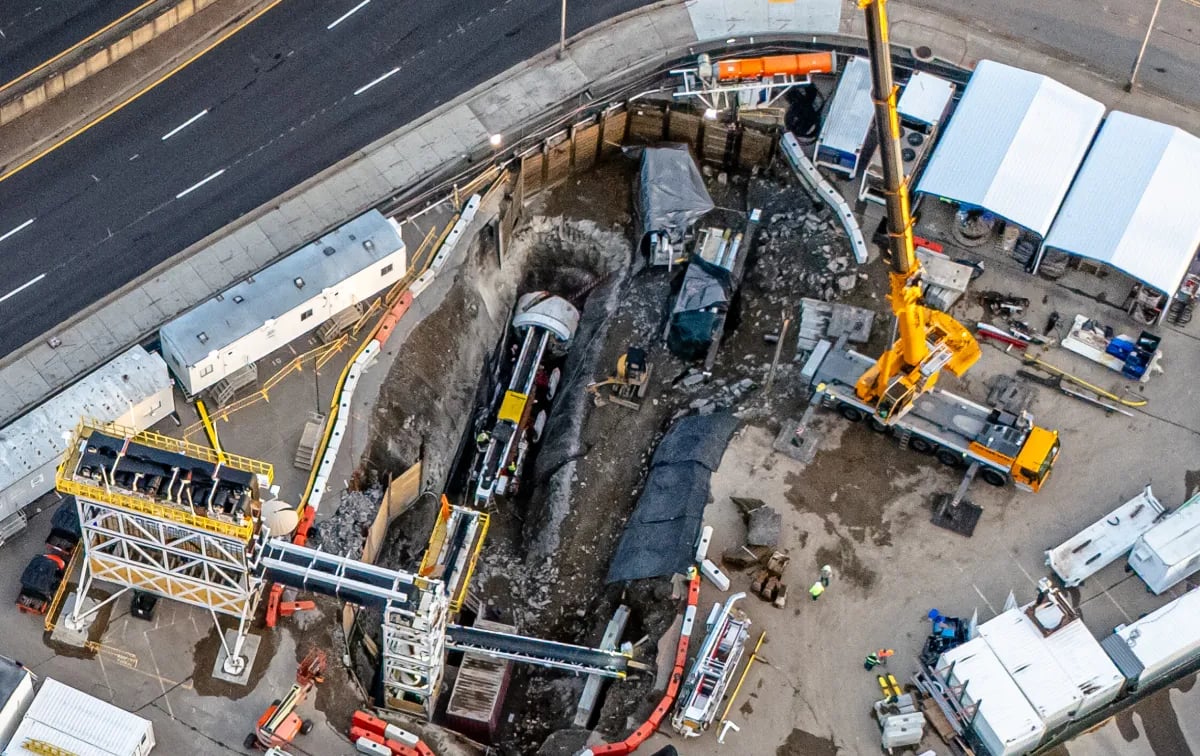
One of the most significant developments since October is the completion of the tunnel boring machine launch shaft at Lot 16. Controlled blasting brought the shaft to its final depth, marking the end of excavation and shoring work. TBC emphasized that this milestone was reached through close coordination with the Tennessee Department of General Services, TDOT, NDOT, and the Office of the State Architect to ensure that blasting could proceed safely and predictably.
Immediately following completion of the launch pit, Nashville received its first tunnel boring machine. Prufrock-MB1 arrived from TBC’s Bastrop facility, was fully assembled onsite, and has now been lowered into the launch shaft. Final system checks are underway, and the machine is technically ready to begin tunneling on December 15. TBC noted that actual launch timing depends on the remaining permit reviews, making January the most likely window for the first mining operations.
Just above the shaft, the conveyor system responsible for removing excavated material is now fully installed. The Vertical Cassette, which plays a central role in spoil removal, has been calibrated and tested. Images posted by TBC show the scale of the equipment and the continued buildout of the work site ahead of active mining.
Design and Permitting Continue to Advance
Design, engineering, and permitting activities have progressed in parallel with construction. The Music City Loop requires 45 total permits and approvals for tunnel construction alone. According to the update, 27 of those permits have already been approved, and another 10 are under review by various city, state, and federal agencies. The remaining eight relate to future launch sites needed for completion of the Broadway and Airport alignments.
TBC also recently announced the planned Broadway expansion. The proposed route would extend southwest from Lower Broadway, follow West End Avenue past Centennial Park and Vanderbilt University, and end near Interstate 440. Additional potential expansions continue to be evaluated based on Nashville’s transportation needs and community feedback.
Supporting these design efforts is extensive geotechnical and utility investigation. Crews have completed 17 exploratory core borings, seven MASW surveys, and a review of 174 historical borings and seven private reports. Fieldwork to verify utilities along the alignment is ongoing, helping reduce the risk of conflicts once tunneling begins. Coordination with TDOT also continues on both the tunnel construction permit and the long-term lease agreement needed for tunnel operations beneath state right-of-way. The lease agreement requires federal approval, and review by the Federal Highway Administration is underway.
Consultants Report Limited Environmental Impacts
The update said an Environmental Impact Assessment had been completed and separately reviewed by another consultant. The project materials report positive effects in some categories and no meaningful effects in others. These consultant conclusions are not a substitute for agency permits or field verification.
TBC says underground construction can reduce some surface disruption and that the planned vehicle fleet would have no tailpipe emissions. Actual construction and operating effects will depend on final designs, mitigation and monitoring.
Safety Measures and Clarifications
Safety remains the central priority for the project, and TBC used the update to address recent inaccurate reports. The company stated that a review of approximately 240 site entries over a two-week period found that employees were in full compliance with personal protective equipment requirements. Eight instances of non-compliance involved contractors, each of whom was immediately removed from the project until the issue was corrected.
TBC also clarified that the shoring system in the launch pit consists of more than 20,000 pounds of steel soldier piles embedded into the rock, supported by engineered wood lagging and concrete. This approach is an industry-standard method designed by Tennessee-licensed structural engineers and built with high safety margins. To date, there have been no injuries, safety incidents, or on-site issues.
In addition to workplace safety, TBC continues to advance long-term safety innovations, including the pursuit of ZPIT (Zero-People-In-Tunnel) boring machines. While the newest Prufrock model requires only three people inside the tunnel, the goal is to fully eliminate the need for personnel in the tunnel during active mining. Emergency preparedness planning also continues in partnership with the Nashville Fire Department and the Tennessee Mine Rescue Association, whose Tunnel Rescue Team has provided equipment and will lead emergency response drills.
Community Engagement Expands Across Nashville
The December update highlights continued outreach across the city. TBC holds weekly coordination meetings with commissioners and staff from eight state departments, has met with leadership in at least ten Metro departments, and has spoken directly with more than 20 members of the Metro Council. Engagement with community organizations continues to grow, now exceeding 130 groups, universities, nonprofits, and professional associations. The team has participated in more than 50 volunteer events and delivered presentations to thousands of Nashvillians. More than 100 public inquiries have been answered through the project’s dedicated email address.
Interest in station development has also grown. More than 30 potential station locations are now in various stages of design, each developed collaboratively with property owners to ensure safe operations, efficient vehicle flow, and accessible pedestrian connections.
Remaining Items Under Review
The update notes that several items remain under active coordination to prevent potential delays. These include approvals required for crossings beneath TDOT and CSX structures, continued negotiations on the Airport alignment agreement, federal review of the tunnel lease agreement, and ongoing discussions with property owners regarding station locations.
Looking Ahead
At the time of the update, the launch shaft was complete and Prufrock-MB1 had been installed, while permits, federal review, airport negotiations and station agreements remained in progress. The next measurable steps were permit completion and the start of tunneling.
SOURCES
- X Spaces · x.com