Nashville International Airport's Music City Loop agreement is not simply a right-of-way deal. Airport officials have projected that it could produce hundreds of millions of dollars in fees if the relationship lasts for its full potential term.
Materials from the Metro Nashville Airport Authority project approximately $34 million in license-fee revenue and $309 million in passenger pickup and drop-off fees over as many as 50 years.
Together, that is roughly $343 million.
The figure is a long-term projection, not guaranteed revenue. It depends on the duration of the agreement, future passenger activity, fee levels and other assumptions that can change over decades.
Still, the airport records provide the clearest public look at the financial structure on the BNA end of the Music City Loop.
A 40-year agreement with two extension options
Airport finance committee materials describe a base term of 40 years with two additional five-year options.
That creates a maximum potential term of 50 years.
The negotiated license fee begins at $300,000 annually and escalates 3% each year, according to airport records. The operating fee is $5 for each passenger pickup and another $5 for each drop-off and is subject to adjustment.
Those terms differ from an earlier draft arrangement reported in 2025, when airport officials were considering a substantially larger annual property-based charge.
The agreement that moved forward in February 2026 reflects the later negotiated structure.
Airport documents also call for The Boring Company to reimburse $600,000 in legal, engineering and administrative costs associated with the project.
The airport's $343 million projection
A Tennessee General Assembly fiscal memorandum summarizing the airport agreement states that the 50-year arrangement is projected by MNAA to generate approximately $34 million in license fees and $309 million in pickup and drop-off fees.
The airport authority's own materials contain the same long-range projections.
The larger share comes from passenger activity rather than the fixed license.
That means actual revenue would depend heavily on how many people ultimately use the system to reach or leave BNA, how the per-trip fee changes over time, when service begins and whether the agreement remains in place through all renewal periods.
The public projection should therefore be read as a financial model, not as money the airport is certain to collect.
What The Boring Company is responsible for
The financial terms also define which costs stay with The Boring Company.
Airport records say TBC is responsible for obtaining necessary permits and complying with the airport's development-review process. The company is also responsible for construction, operations and maintenance costs, utilities, and applicable taxes or payments in lieu of taxes.
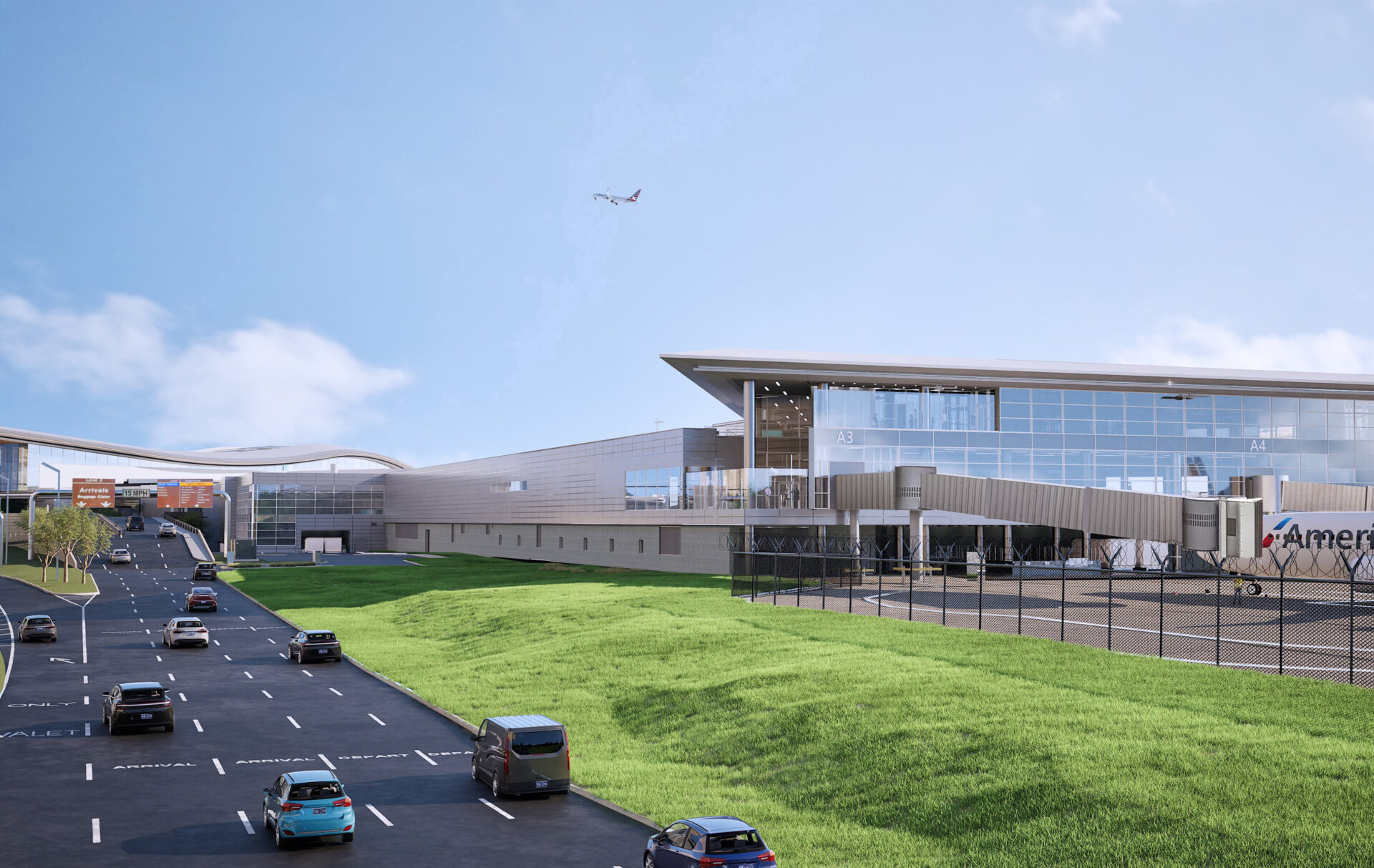
The project description includes underground tunnels, entry and exit portals, roadway connections, a passenger Loop station, horizontal egress tunnels and hatches, and a potential future connection to Terminal II.
Airport officials have also required that design and construction not interfere with existing or planned airport development.
Only vehicles owned and operated by The Boring Company would be permitted to operate on the licensed premises under the negotiated terms.
BNA has moved beyond the 2025 draft deal
The evolution of the agreement is important for LOOP Nashville's archive.
An August 2025 draft letter of intent led to reporting that The Boring Company could face an annual airport access charge of more than $1.7 million. That was a negotiating document, not the final 2026 structure approved by the airport board.
The February 2026 terms are materially different.
The current agreement centers on the $300,000 escalating license charge, per-passenger pickup and drop-off fees, and reimbursement provisions.
Any older article describing the $1.7 million figure as the expected current annual charge should be updated so readers are not left with an obsolete financial picture.
A station is approved, but design work continues
The Airport Authority voted Feb. 18 to accept the negotiated terms and authorize execution of the agreement.
The Boring Company said in its Aug. 1 project update that the BNA station's design and permitting were still underway.
That means the financial framework is more mature than the station itself.
No public opening date for the airport station appears in the company's current Aug. 14 project FAQ, and actual passenger-fee revenue cannot begin until the system is operating and carrying paying riders to or from BNA.
What to watch next
Several financial variables remain unresolved from a reader's perspective.
The final pace of ridership is unknown. Future changes to the $5 pickup and $5 drop-off fees are possible because the terms make those charges adjustable. The duration could be shorter than 50 years if extension options are not exercised.
There is also a practical timing question: when the airport station begins service will determine when the operating-fee portion of the revenue stream starts.
For now, the airport's records establish the structure: a long-term license, an escalating annual fee, passenger-based charges and TBC responsibility for project costs.
The $343 million figure is best understood as MNAA's projection of what those terms could yield over the maximum potential term — not a guaranteed payment to the airport.
SOURCES
- MNAA Board of Commissioners Approves Letter of Intent with The Boring Company · Metropolitan Nashville Airport Authority
- Finance Committee February 11, 2026, As Presented · Metropolitan Nashville Airport Authority
- Finance Packet April 8, 2026, including Feb. 11 Finance Committee minutes · Metropolitan Nashville Airport Authority
- Fiscal Memorandum FM1780 · Tennessee General Assembly Fiscal Review Committee
- Music City Loop Blog — August 1, 2026 · The Boring Company
- Boring Co. faces $1.7M annual fee for airport tunnel access · Nashville Business Journal