A Divided Vote at Metro
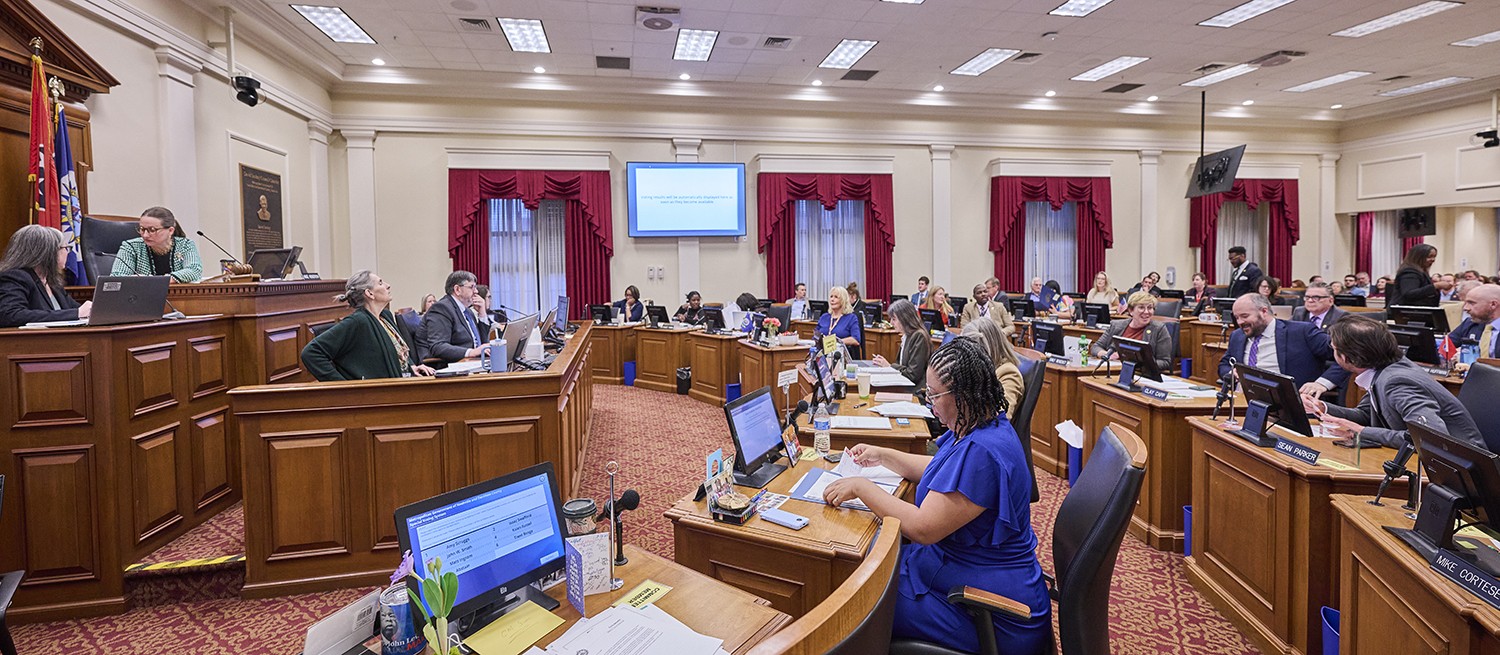
The Nashville Metro Council has formally opposed The Boring Company’s Music City Loop, adopting a nonbinding resolution by a 20-15 vote with two abstentions on March 3.
The vote puts the city’s legislative body on record against the project even as tunneling begins beneath state-controlled rights-of-way. It also highlights an unusual feature of the Music City Loop: a major transportation project can involve state, federal, airport, convention-center and local authorities at the same time, each with different powers over different pieces of the system.
What the Resolution Says
Resolution RS2025-1712 cites unresolved concerns involving safety, labor practices, transparency, environmental impact, geological risk and what sponsors describe as insufficient engagement with Nashville residents and elected Metro officials.
The measure asks The Boring Company to participate in public briefings, release environmental, geological, safety and fiscal studies for independent review, demonstrate compliance with labor and contractor standards, maintain consistent communication with council members and provide contingency plans in the event the project is delayed, changed or abandoned.
What the Vote Does Not Do
The resolution is a statement of the Council’s position; it is not an ordinance revoking a construction permit. It does not cancel the TDOT lease or tunnel permit that was approved in February, and it does not direct a state agency to halt tunneling beneath state-owned rights-of-way.
That is why construction can continue despite the vote. The first phase relies heavily on state-controlled road corridors, and the key tunnel permit was issued through state and federal transportation review.
Metro Still Matters
Calling the vote nonbinding does not mean Metro Nashville is irrelevant to the project. Surface construction, stormwater, emergency access, utilities, stations on property controlled by local entities and future expansions outside state rights-of-way can create additional points of local involvement.
The Music City Center, for example, is governed by its own authority and must separately approve property rights needed for tunnels or a station. Other privately owned or locally controlled station sites require agreements with those property owners.
A Debate That Will Continue
Supporters argue the privately funded system could add transportation capacity without a new taxpayer-funded rail project and could provide a fast connection between BNA, downtown and other major destinations. Opponents have focused on transparency, local control, geology, safety and accessibility.
Those disagreements will not be settled by a single resolution. The Council vote is best understood as an important political signal - one that may shape future negotiations and oversight - rather than an immediate stop-work order. For now, the tunnel boring continues, and the debate over who should control Nashville’s underground transportation future is continuing above ground.
SOURCES
- Nashville government meetings and public records · Metropolitan Government of Nashville and Davidson County