
A Second Prufrock Is Now in Nashville
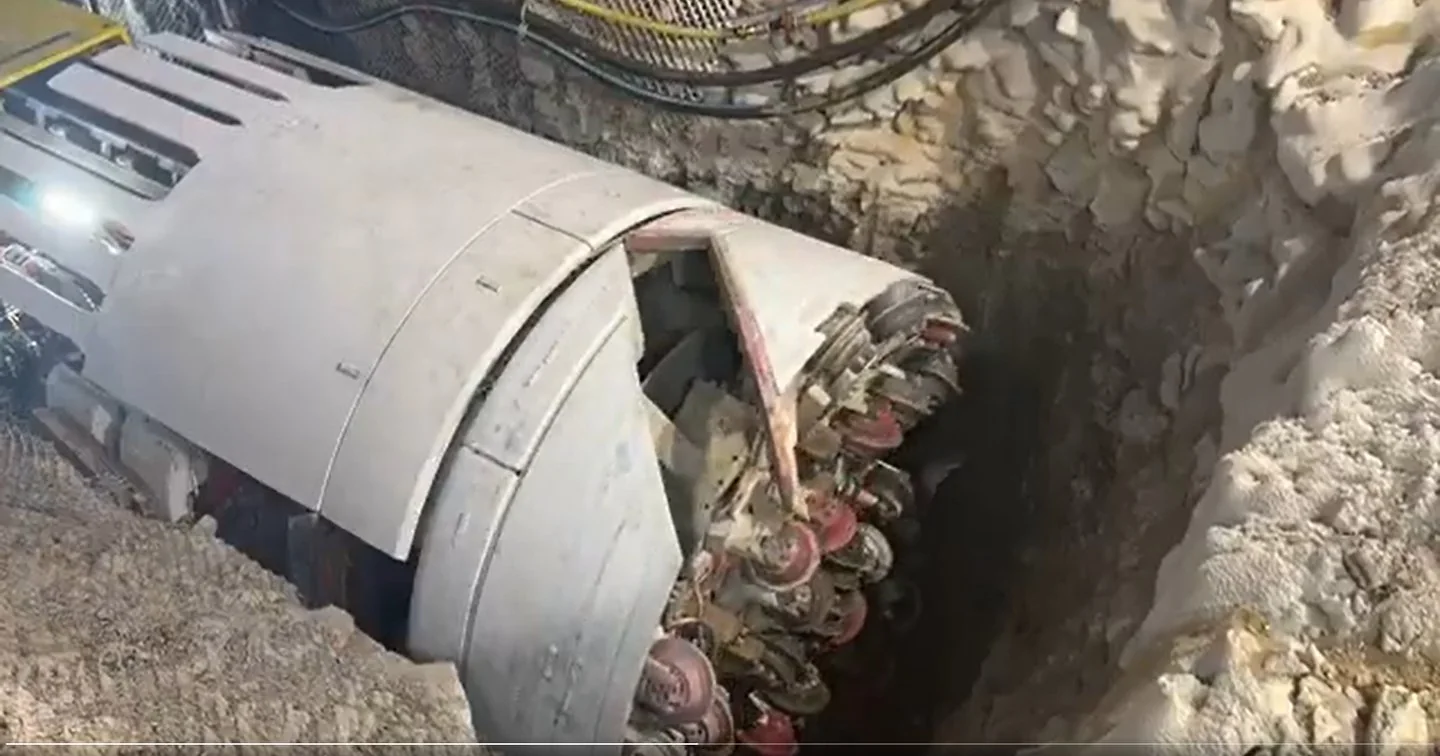
The Music City Loop construction fleet is expanding. The Boring Company says Prufrock-MB2 arrived in Nashville in late April and is now undergoing commissioning at the downtown launch site.
The second machine joins Prufrock-MB1, which has been tunneling since late February. TBC says MB2 is expected to begin tunneling in June after its final testing and calibration are complete.
Lessons From MB1 Are Already Being Applied
The timing gives the Nashville team something it did not have when MB1 arrived: operating experience in the city’s actual geology. TBC says lessons learned from launching and running the first machine are already being incorporated into MB2.
The company describes a rapid modification process in which crews identify improvements to speed or reliability, then design, fabricate, ship and install revised components on a short turnaround. That ability to iterate between machines is part of the company’s effort to increase tunneling production as the project scales.
A Third Machine Is Being Built
Perhaps the biggest surprise in the June update is that the Nashville fleet is not stopping at two. TBC says Prufrock-MB3 is already being built.
Multiple machines matter because the approved Music City Loop corridor includes parallel tunnel mileage and more than one alignment. A larger fleet gives the company flexibility to advance separate bores or launch from additional sites rather than waiting for a single machine to complete every segment sequentially.
Permitting Has Shifted to Future Launch Sites
The company reports that all 37 permits and approvals required before tunneling were obtained. It says eight remaining permits relate to additional launch sites needed to complete the Broadway and Airport alignments.
That is an important distinction for readers following the project: the permits needed to start tunneling are no longer the bottleneck. The remaining approvals are tied to expanding where and how the construction operation can proceed across the larger network.
Construction Is Becoming an Operation, Not a Single Dig
When the first Prufrock arrived, the Music City Loop could still be pictured as one machine in one downtown launch pit. By early summer, that picture is changing rapidly.
MB1 is underground. MB2 is on site and being commissioned. MB3 is being built. The project is beginning to look less like a demonstration bore and more like the multi-machine tunneling operation that would be required to build a citywide network on an accelerated schedule.
Update: MB2 later entered the tunneling phase
The Boring Company subsequently reported that MB2 launched from the Lot 16 site and was actively tunneling by August 2026. That later milestone resolved the June expectation described in this article, although the public update did not provide enough numerical production data to measure the machine’s sustained rate.
The sequence matters: the machine arrived, underwent commissioning and then launched. Reporting each stage separately prevents a delivery announcement from being mistaken for completed construction progress.
What scaling actually requires
Adding machines can reduce the time needed to excavate multiple bores only when launch sites and support systems are ready. Each Prufrock needs power, cooling, lining segments, rock removal, maintenance and trained staff. Constraints in any of those areas can limit the benefit of a larger fleet.
The remaining launch-site permits mentioned by the company are therefore part of the critical path. A machine cannot advance a new section merely because it exists; it needs an authorized and prepared place to enter, operate and eventually be retrieved or redirected.
How to evaluate the iteration claim
The company says it applies lessons from one machine to the next. Evidence of improvement would include comparable figures for advance rate, downtime, maintenance, staffing and lining installation under similar conditions. Without those measures, “more efficient” remains a company characterization rather than a result readers can independently test.
The next meaningful milestones are sustained MB2 performance, confirmed arrival and assignment of MB3, additional launch-site approvals and documented progress on stations and operating systems.
SOURCES
- Music City Loop project information and updates · The Boring Company